
Xanthe Mcharg – My practice focusses on organic textures and how they interact with crafted forms. I’m interested with the inherent qualities of clay, and draw from nature to create imperfect, tactile surfaces through variation and experimentation. This website serves as a portfolio of my progress and findings.
artist Statement
Before working with ceramics, I completed a bachelor’s degree in Cultural Anthropology at Victoria University of Wellington. Many of these courses focused on how meaning is created, intentionally and unintentionally, and encouraged us to challenge our own cultural assumptions through an ethnographic lens. As a people-focused discipline, much of the discussion around ceramics centred on its social implications rather than its nature as an individual art form, prioritising process and function over personal expression – an approach known as design rationalism. We would ask questions like “How was this made? What was it used for?”. This differed significantly from other fine art analysis, such as painting or sculpture, where questions centred on what the artist was trying to communicate. After university when I transitioned to making ceramics rather than analysing them, I became aware of the knowledge and expression embodied in a work, and how meaning emerges through both action and intention.
When crafting my own pieces, I found myself prioritising creative expression over functionality or use. This marked a shift in my understanding of meaning-making, from primarily cultural and historical interpretations toward an understanding of a ceramic work as the result of a potter, the material they have access to, and the environment in which they create. This discovery now informs how I observe and contextualise the work of other ceramic artists. In my analysis of others’ work, I am careful to include pottery as a mode of creative expression rather than a purely functional practice. This challenges the dominance of design rationalism within ceramics, which, through my experience, I have come to understand as a framework that can narrow engagement with a piece.
Within the contexts of Aotearoa, where ethical making has been brought to the forefront through second generation (1960-80) figures such as Len Castle and Charles Holmes. Material honesty and respect for the process has been well documented in resources such as the NZ Potter Magazine, which I heavily draw influence from. My position has been informed by these references and therefore focuses on the ethics of care and attentiveness to the relationships between materials and its source. I now approach ceramics as a means of creative expression that prioritises responsiveness to one’s environment and its people, and an art form that has a broad impact.
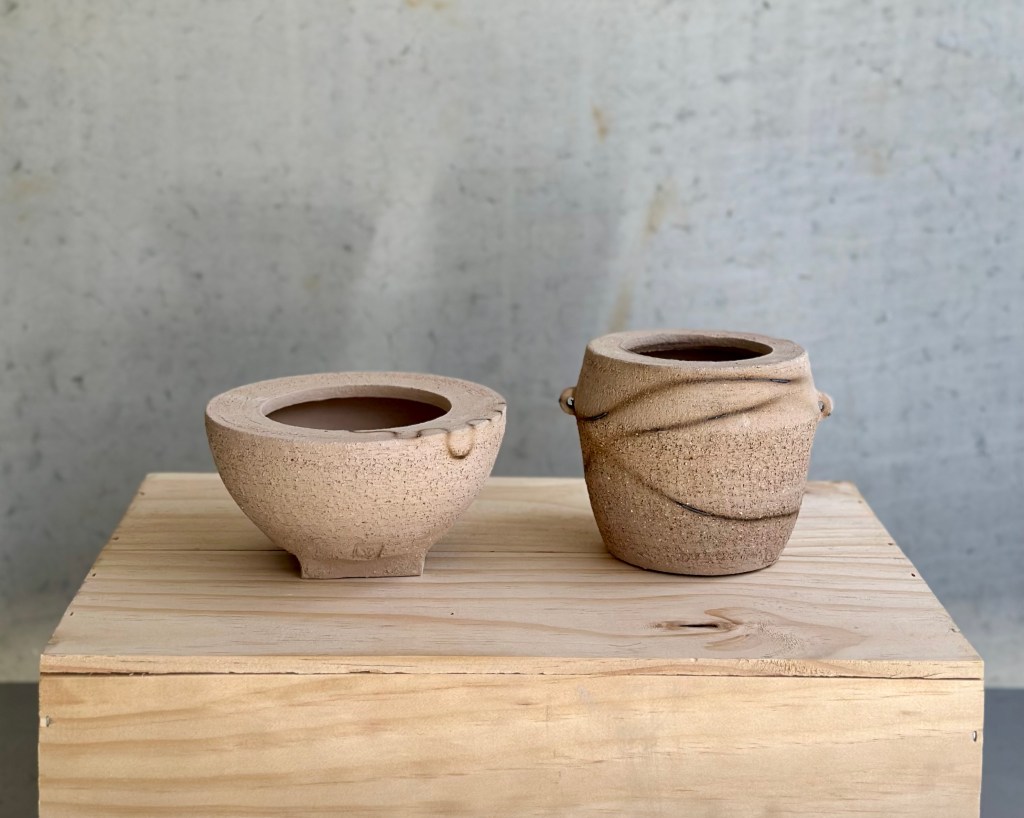
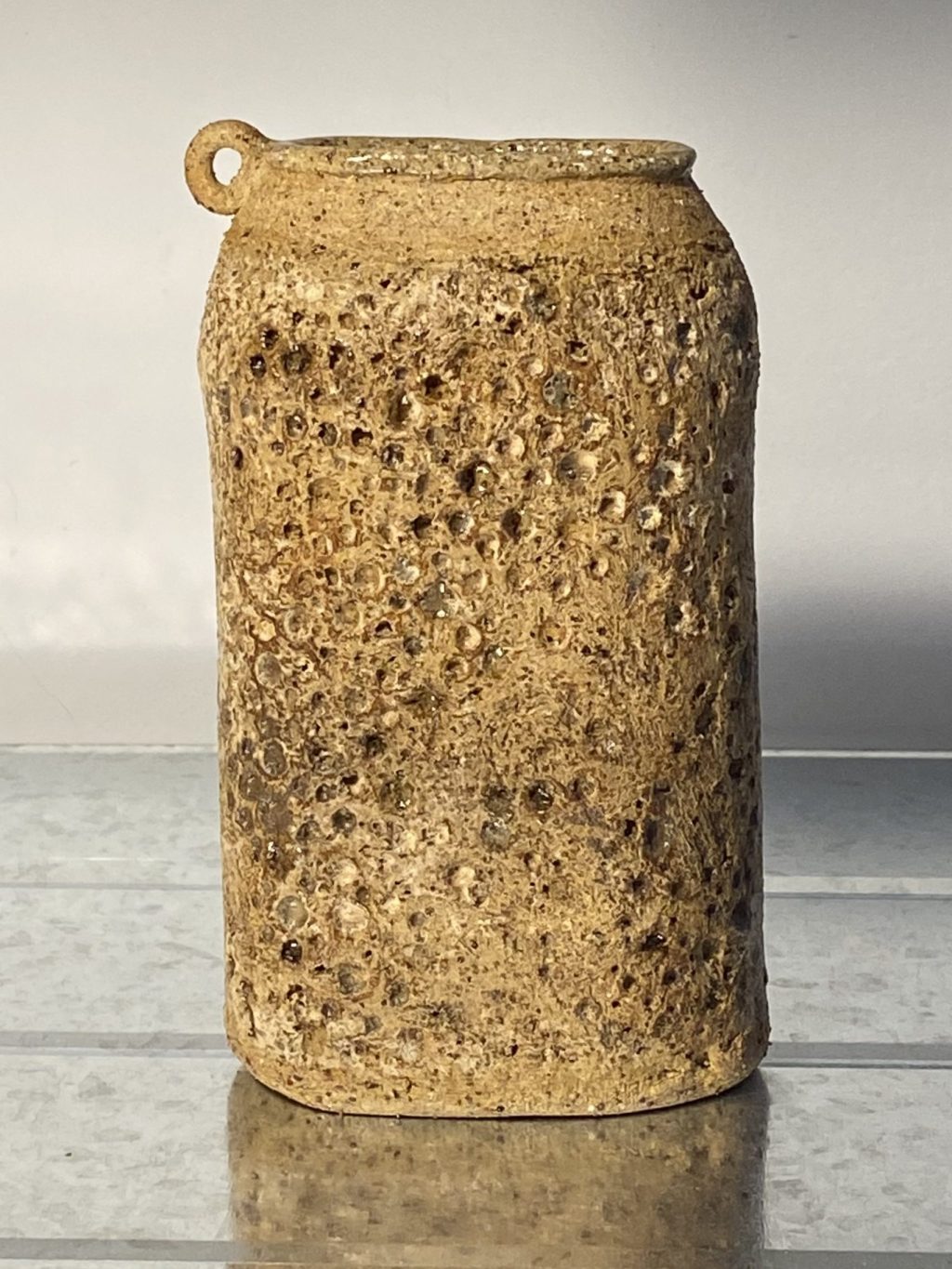
 Teras Archive